Where Should You Install a Home EV Charger?
You should mount your home EV charger close to your parking lot to lower wire size and stumbling dangers. Ensure it's on a specialized circuit and consider your home's electrical capability for future needs. Preferably, choose a protected area for weather security. Normal upkeep is key for durability and security. Reviewing neighborhood codes and licenses is vital too. Keep exploring to reveal even more crucial preparation elements and setup pointers.
Takeaways
- Set up the EV battery charger near to your car parking space to lessen cable length and enhance charging performance.
- Select a protected area to shield the battery charger from rough weather conditions and lengthen its life expectancy.
- Ensure the charger positioning permits very easy accessibility without obstructing nearby lorries or requiring awkward maneuvers.
- Validate that the setup website adheres to regional codes and permits to avoid fines or adjustments.
- Evaluate electric ability and prepare for future requirements, making sure the setup can accommodate prospective added EVs.
Top Reasons Homeowners Must Buy an EV Charger
Property owners significantly acknowledge the advantages of buying an EV battery charger, and forever factor. One considerable advantage is minimized upkeep contrasted to gas-powered automobiles. With less relocating components, electrical automobiles need less constant servicing, converting into lasting cost savings. Another compelling factor is much faster billing abilities. Setting up a home EV battery charger allows you to replenish your automobile's battery over night or throughout off-peak hours, ensuring it prepares when you are. This comfort eliminates the need for taxing trips to public charging stations, boosting your general driving experience. In addition, as electric lorries become a lot more prevalent, having a charger in your home can boost your residential property's value. Buying an EV battery charger not only supports a lasting future yet also uses practical advantages for your lifestyle.
Key Location Variables for Your Home EV Charger
When selecting an area for your home EV battery charger, consider its proximity to your auto parking area for easy accessibility. You'll additionally require to make certain there's a trusted source of power nearby to avoid expensive electrical job. Lastly, think of weather condition protection to keep your battery charger secure and practical year-round.
Proximity To Car Park Space
Selecting the right place for your home EV charger hinges considerably on its closeness to your garage. Preferably, you desire the charger close enough to decrease cord size. Utilizing a short wire not only enhances billing efficiency yet likewise reduces the risk of stumbling hazards. If you share a parking lot, consider just how your charger may influence others. Ensure it's positioned to ensure that you can access it conveniently without obstructing neighboring cars. In addition, think regarding the format of the garage; prevent areas that may call for uncomfortable maneuvers to connect your lorry. By focusing on proximity, you'll simplify your billing experience and make it much more convenient for on your own and others.
Access To Power Resource
Proximity to your vehicle parking room is only part of the formula; access to a reliable power resource is a crucial aspect in identifying the suitable place for your home EV battery charger. You'll intend to make particular that the battery charger is not simply close but likewise linked successfully to your electrical system. Right here are three important considerations:
- Circuit Accessibility: Make certain you have accessibility to a specialized circuit that can take care of the battery charger's lots.
- Meter Distance: The closer your battery charger is to the electrical meter, the much less circuitry you'll require, minimizing setup prices and possible difficulties.
- Security Compliance: Make sure the installation satisfies regional codes for safety and performance, which often entails getting in touch with a licensed electrician.
Taking these variables into account will aid you select the finest spot for your EV charger.
Climate Security Considerations
While you might concentrate on convenience when picking an area for your home EV battery charger, weather security is just as essential. Direct exposure to the elements can damage electric elements, so think about mounting your charger in a sheltered area. If that's not possible, go with weatherproof enclosures to secure against rainfall, snow, and severe temperature levels.
Additionally, guarantee appropriate drain by including drip loopholes in your installment. This technique aids stop water from running along the billing cable right into the system, decreasing the threat of electrical problems. Regular upkeep is vital; check for any type of indicators of wear or rust and assurance that all seals are intact. Taking these precautions will certainly lengthen your EV battery charger's life expectancy and preserve secure procedure.
Proximity to Your Vehicle Parking Location: Why It Matters
A crucial aspect in mounting a home EV battery charger is its distance from your car park area. The closer the charger is to your car, the easier it'll be for everyday use. Right here are 3 reasons distance matters:
- Driveway Benefit: A charger near your driveway permits easy plug-in right after arriving home, lessening journeys back and forth.
- Garage Distance: If you park in a garage, putting the battery charger neighboring warranties you can bill over night without hassle.
- Security Considerations: Minimizing the distance lessens the risk of stumbling risks from extension cords or cords that may or else be needed.
Taking into consideration these elements assists you pick the most reliable location for your home EV charger.
Assess Your Home's Electrical Capacity
Before mounting a home EV charger, it's essential to analyze your electric lots capability. This will certainly help ensure your system can manage the extra need without straining. If your current configuration drops short, you may require to upgrade your electrical panel to sustain the battery charger efficiently.
Evaluate Electrical Tons Ability
To make certain your home can sustain an EV battery charger, you'll require to analyze its electric tons capability. Start by checking your panel capacity to ensure it can handle the additional lots. Here are 3 steps to lead you:
- Compute Existing Lots: Amount up the electrical power of all gadgets presently making use of power in your house. This helps you recognize your baseline consumption.
- Consider Future Demands: Element in potential added tons, like appliances or various other electrical automobiles, specifically for lots balancing.
- Speak with a Professional: An electrical expert can provide insights right into your panel's ability and whether it can sustain an EV battery charger without straining your system.
This analysis is crucial to stop electric problems down the line.
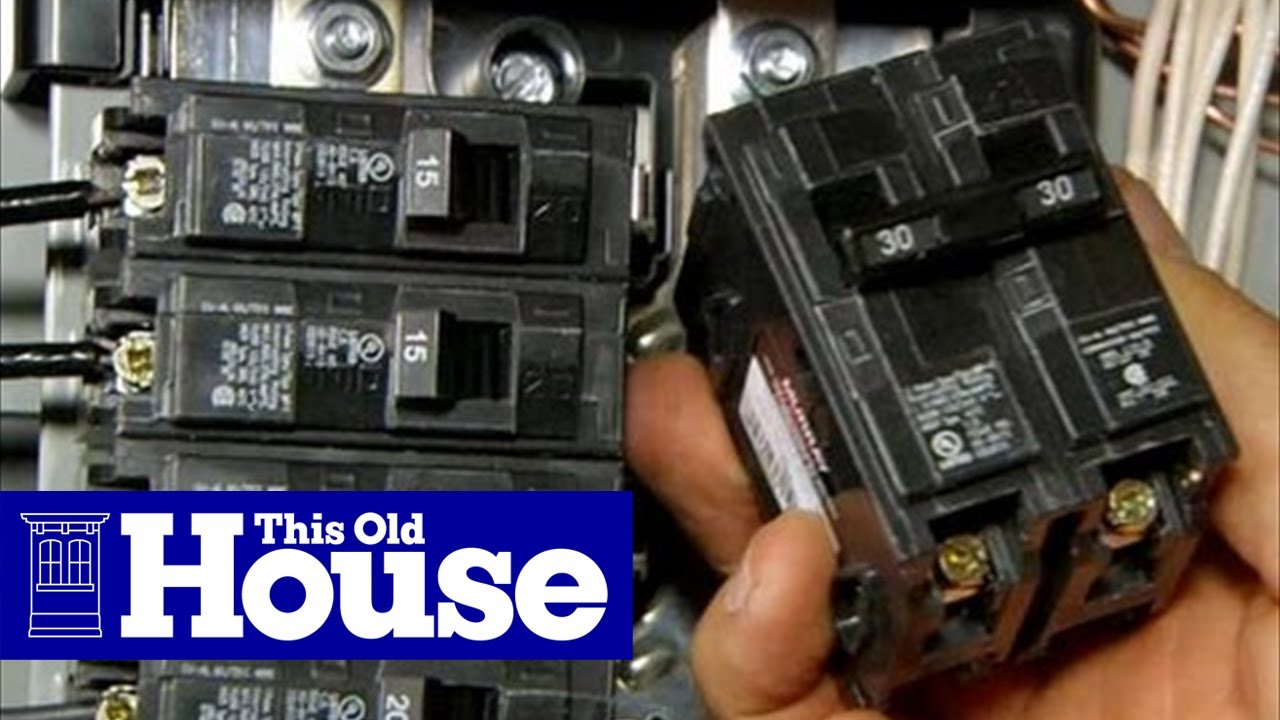
Update Electrical Panel If Needed
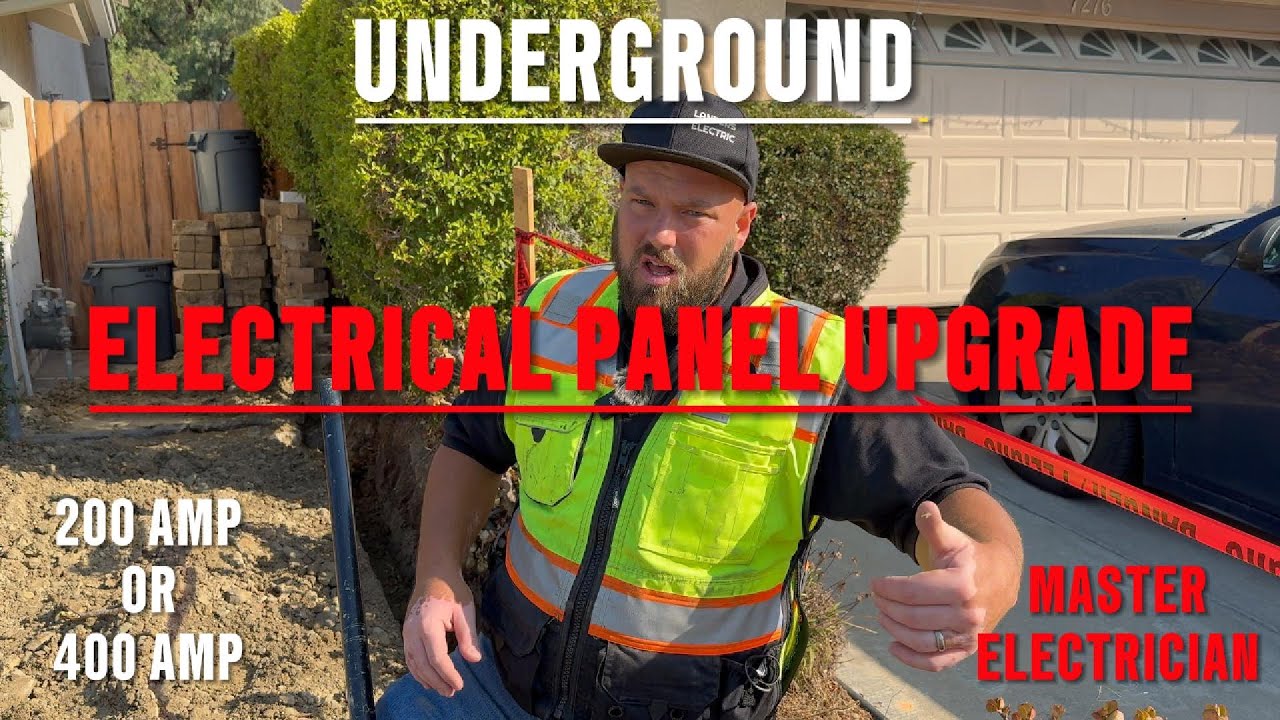
Upgrading your electric panel might be required if your home's capacity is not enough for an EV charger. Several homes, especially older ones, might call for panel upgrades to sustain the added lots. Start by examining your existing breaker ability; it needs to take care of the enhanced demand from both your EV battery charger and existing home appliances. If your panel can not fit this, a service upgrade will likely be necessary. This process can entail replacing your existing panel with a higher-capacity unit, which may likewise call for meter relocation to guarantee conformity with neighborhood codes. Consulting with a qualified electrician can aid you figure out the very best program of activity, making particular your home is risk-free and outfitted for electric car charging.
Indoor vs. Outdoor Charging: What's Best for You?
When making a decision between indoor and outdoor billing for your electric vehicle (EV), what elements should you consider? Each alternative has its benefits, so consider these three crucial factors:
- Weather condition Protection: Indoor billing shields your EV and charger from rough climate condition, while exterior billing reveals them to rain, snow, and extreme temperatures.
- Convenience: Indoor charging permits easier accessibility, especially throughout stormy weather condition. Exterior charging can be much less hassle-free if your auto's parked much from the entry.
- Installment Intricacy: Indoor billing generally calls for even more electric job, possibly enhancing setup costs compared to exterior arrangements, which could require simply a straight link to your home's power supply.
Eventually, your choice in between interior billing and outdoor charging will certainly depend upon your certain requirements and circumstances.
What Local Codes Should You Understand about?
Before installing a home EV charger, it's vital to acquaint yourself with regional codes and guidelines, as these can materially influence your installment procedure. Beginning by inspecting authorization needs, as many jurisdictions call for an authorization for electric adjustments. This ensures your setup fulfills security standards and neighborhood electrical codes. Additionally, understand problem policies, which determine exactly how far your battery charger has to be from residential property lines and structures. Disregarding these laws can cause fines or the demand for expensive adjustments later on. Always consult your regional structure division or a accredited electrical expert to verify compliance. Complying with these guidelines will certainly not only enhance your installment yet likewise enhance safety and security and integrity for your EV billing requirements.
Make Certain Security in Charger Positioning
After comprehending neighborhood codes, the following step is to ensure safety in your battery charger placement. Proper setup reduces dangers and enhances performance. Here are 3 essential factors to consider:
- electrician thanet
- Cord Monitoring: Make sure cable televisions are neatly arranged and secured to prevent tripping dangers and damages. Usage wire clips or avenues to maintain them out of the way.
- Grounding Evaluation: Before installment, carry out a basing inspection to confirm that your electric system is correctly based. This assists protect against electrical faults and enhances safety and security.
- Clearance and Access: Setting the battery charger in a place that enables simple access to your automobile while preserving ample clearance from challenges and flammable materials.
Complying with these standards will certainly assist make specific a risk-free and reliable EV charging experience at home.
How Weather Condition Affects Battery Charger Installation
Although several individuals focus on the technological aspects of EV charger installment, climate condition can considerably affect both the positioning and efficiency of your charger. Seasonal performance is vital; extreme temperature levels can influence charging effectiveness and battery durability. If you stay in an area with harsh winters months or scorching summers, consider mounting your charger in a sheltered place to mitigate these effects. In addition, select materials with rust resistance to stand up to aspects like rainfall, snow, or salt from icy roadways. Correct weatherproofing warranties your charger operates properly gradually, protecting against damage and prolonging its life expectancy. Consequently, assuming regarding climate elements throughout setup can improve your battery charger's durability and effectiveness, guaranteeing it meets your demands year-round.
Price Effects of Various Billing Areas
When thinking about the installation of a home EV charger, the location you choose can materially affect the general expense. Right here are three price implications to remember:

- Installment Permits: Depending on regional laws, you could require licenses for specific areas, which can add to your in advance costs.
- Electric Upgrades: If you place the battery charger far from your primary electric panel, you may require to buy extra electrical wiring or upgrades, enhancing installment expenses.
- Billing Incentives: Some areas supply financial motivations for installing battery chargers in certain locations, possibly balancing out expenses.
Preparation for Future EVs
As the electric car market remains to broaden, it's essential to believe in advance concerning your home's power requirements. Think about exactly how lots of EVs you could have in the future and whether your present electrical system can take care of the enhanced demand. Preparation currently can conserve you money and time later on, ensuring your home is all set for tomorrow's EV demands.
Prepare For Expanding EV Market
With the electrical car (EV) market quickly broadening, preparing for future EVs is necessary when installing a home charger. Market projections indicate considerable EV adoption in the coming years, making it crucial to prepare your home for this shift. Below are three essential considerations:
- Charger Capacity: Make certain your battery charger can handle multiple lorries, as homes might embrace more EVs gradually.
- Place Flexibility: Choose a spot that allows for very easy access to your garage or driveway, fitting future vehicles' demands.
- Wiring Upgrades: Invest in high-capacity circuitry to sustain rapid billing alternatives, as demand for quicker charging options will certainly enhance with EV adoption.
Take Into Consideration Home Power Requirements
Considering your home's energy requires is crucial for an effective EV battery charger installment. You'll desire to review your current use and strategy for future electric vehicle (EV) needs. Efficient energy budgeting can help you maximize your home's power intake, while peak changing can decrease costs throughout high-demand durations.
Here's a table to assist you examine your power needs:
Time of DayEnergy Usage (kWh)EV Charging Requirements (kWh) Morning102 Afternoon155 Evening208 Night53 Complete5018Specialist Setup or DIY: What's Right for You?
Whether you're a experienced DIY fanatic or like the peace of mind that features expert aid, choosing between a DIY EV charger installment and hiring a specialist can substantially impact your experience. Below are essential considerations to bear in mind:
- Permit Procedures: do it yourself setups frequently need licenses, which can be intricate. A professional is generally acquainted with these guidelines, making certain conformity.
- Device Safety and security: If you're not confident with electrical devices, specialist installment minimizes dangers. Electric job can be dangerous without the best expertise.
- Time and Benefit: Evaluate your time against the complexity of the installation. Employing a pro can conserve you time and reduce the potential for errors.
Ultimately, the option depends on your skills, comfort level, and particular needs.
Regularly Asked Concerns
Can I Install an EV Battery Charger in a Garage Without Ventilation?
You shouldn't mount an EV charger in a garage without ventilation as a result of garage security issues. Poor air flow can lead to the accumulation of carbon monoxide from gas-powered home appliances or vehicles, presenting severe health risks. Although EVs do not send out carbon monoxide gas, other consider a garage could create risks. It's ideal to ensure ample air flow or take into consideration alternative places to preserve a secure environment while billing your vehicle.
What Sort of Battery Charger Is Finest for My Electric Vehicle Model?
To pick the most effective battery charger for your electric lorry, take into consideration battery compatibility and charging requirements. For instance, 80% of EV drivers prefer Degree 2 chargers because they bill automobiles considerably quicker than Level 1 options, often reducing charging time to just a couple of hours. Make certain your picked charger matches your automobile's particular billing criterion, like CCS or CHAdeMO, to ensure peak performance and efficiency. This'll keep your lorry charged and all set to go!
Exist Tax Incentives for Setting Up a Home EV Battery Charger?
Yes, there are tax obligation rewards for setting up a home EV charger. You can take advantage of government credit reports that cover a percent of the installation costs, potentially saving you a considerable amount. In addition, lots of neighborhood energies offer refunds that better minimize your expenses. Make certain to check with your state and utility company to maximize your savings and make sure you meet any eligibility needs for these incentives.
How Lengthy Does It Require To Charge an EV at Home?
Charging an EV in the house can take anywhere from 4 to 12 hours, depending upon your lorry and billing rate. As an example, if you've obtained a Level 2 battery charger and a battery with a 60 kWh capability, you may fully charge it overnight. Consider your neighborhood energy cost, and you'll discover it's frequently cheaper than gas. With the appropriate arrangement, you can successfully power your EV while you sleep, maximizing comfort and cost savings.
Can I Use an Expansion Cable for My Home EV Charger?
You should not use an electricians in thanet extension cable for your home EV charger, as it can posture significant safety dangers. Expansion safety and security is vital; making use of a cord not rated for high power can bring about overheating or electric fires. In addition, cable outreach may restrict your ability to securely bill your automobile, especially in severe weather condition. It's finest to set up a dedicated charger close to your power resource to ensure peak performance and security.